
Legacy Under Fire: Thirty Years Later, Ken Saro-Wiwa’s Fight Still Demands Justice
 Follow on Google News
On 10 November 1995, Ken Saro‑Wiwa a writer, activist and leader of the Movement for the Survival of the Ogoni People (MOSOP) was executed by hanging alongside eight other Ogoni activists. Their crime? Challenging the oil-industry devastation of Ogoniland and demanding basic rights for his people.
Three decades later, Nigeria’s government under Bola Tinubu formally pardoned Saro Wiwa and his colleagues, widely known as the “Ogoni Nine”. The act was hailed by some as symbolic reconciliation but criticised by many civil society groups as insufficient. A pardon, they argue, still implies guilt rather than innocence, and fails to address the root injustices of environmental exploitation and corporate impunity.
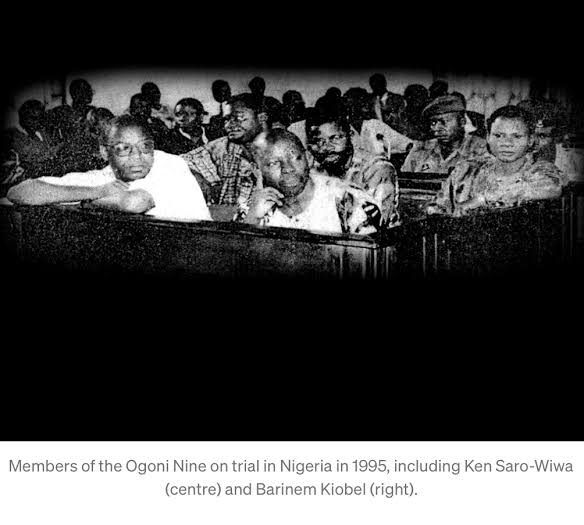
Saro-Wiwa’s legacy lives on in his dual identity as both cultural critic and environmental martyr. Born in 1941 in Ogoniland, he rose to prominence not only as an author and TV producer, but as one who gave voice to communities ravaged by oil spills, gas flaring and economic neglect. In 1990 he presented the Ogoni Bill of Rights, seeking reparations for decades of pollution, while mobilising tens of thousands of Ogoni people.
Yet the Niger Delta remains a painful testament to his vision. Environmental degradation persists; fishing and farming communities still struggle; oil-profits continue flowing with little accountability.During events marking his 30-year legacy, activists stressed that the fight Saro Wiwa began is far from over. They called for full exoneration (not just pardon), corporate liability for pollution, and meaningful ecological restoration of Ogoniland.

From his cell in Port Harcourt where he wrote his final thoughts to the boardrooms of major oil companies, Saro Wiwa’s story connects the personal with the global. He understood that justice isn’t only about court verdicts it’s about whether a mother can drink clean water, whether a farmer can harvest again, whether a people can control their destiny. Today’s conversation isn’t just about remembering him it’s about finishing the job he started.

Comments
0 comments